THE FORCES
Four forces in balance
Lift against weight, thrust against drag. When they balance, the aircraft cruises at a steady speed.
Explore each force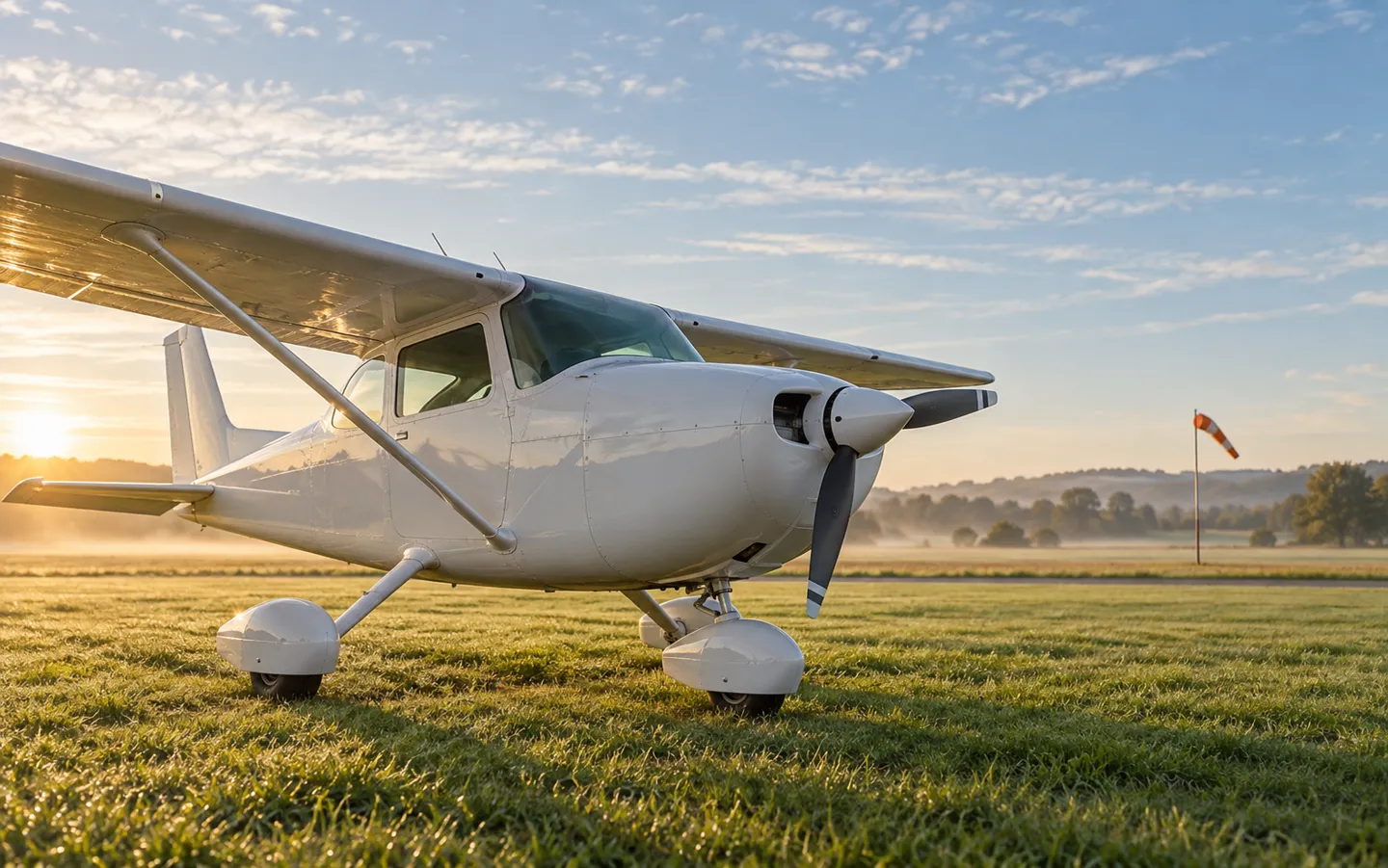
AN EVERYDAY GUIDE TO FLIGHT
LIFT beats weight
AI-generated image, not a photograph of a real person or place.
Four forces, one tilted wing and a lot of careful checking.
A loaded aircraft weighs a great deal, yet a wing moving through the air can hold it up. Here is what is going on: how a wing makes lift, why planes take off into the wind, why pilots spell things out as Alfa and Bravo, and what all those checklists are for.
An explainer, not flying instruction. Sources linked.
THE SHORT ANSWER
A wing only makes lift while air flows past it,
which is why speed, angle and wind all matter.
THE FORCES
Lift against weight, thrust against drag. When they balance, the aircraft cruises at a steady speed.
Explore each forceTHE WING
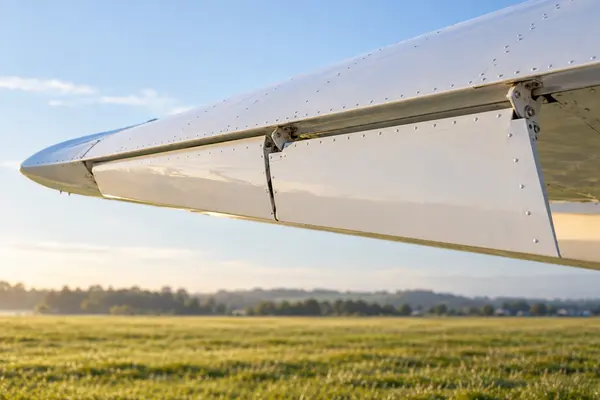
Tilt the wing a little more into the airflow and lift rises, until the airflow breaks away and the wing stalls.
See the numbersBEFORE TAKE-OFF
Take off into the wind, spell it out clearly on the radio, and work through the checklist every time.
What to look out for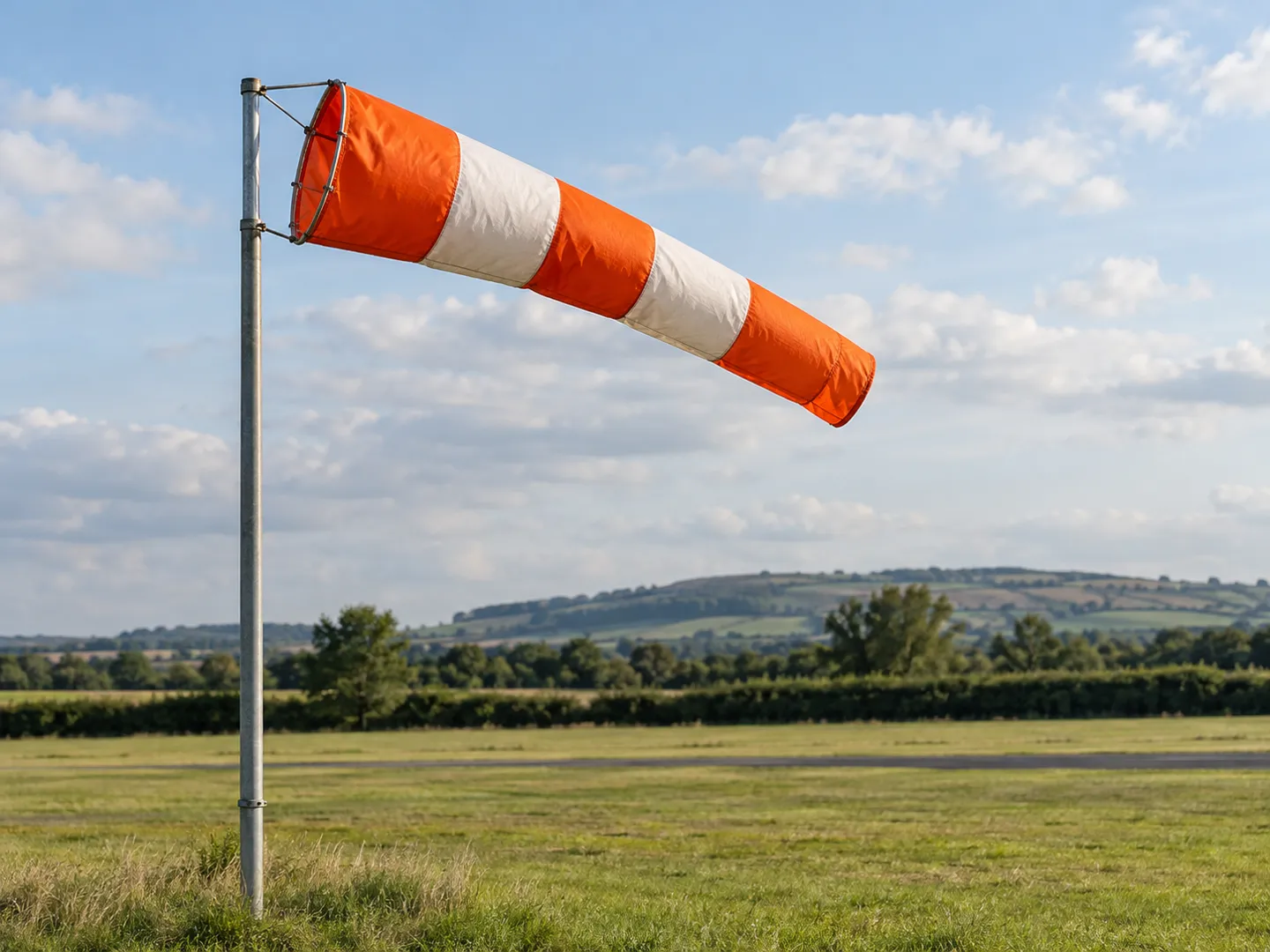
SPOT IT YOURSELF
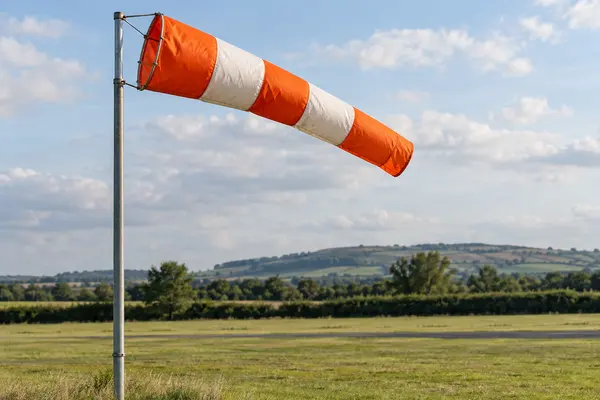
It streams out downwind, so its open end points to where the wind comes from. Aircraft normally take off as nearly into that wind as they can.
The kite rises while you stand still, because lift depends on air moving past it, not on moving over the ground. It is the headwind idea in miniature.
Try your name in the phonetic alphabet: Delta, Oscar, Golf for “Dog”. It is why short calls stay clear over a crackly radio.
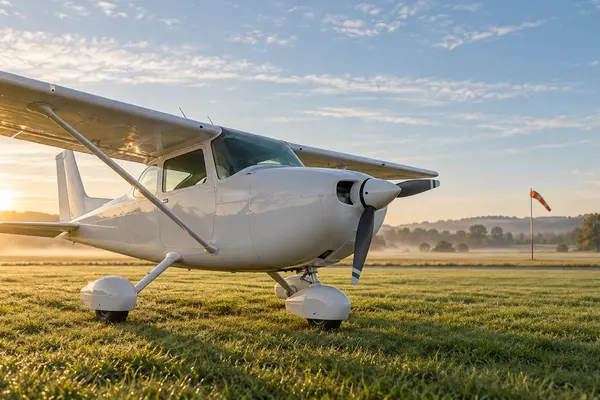
Before flight pilots walk round the aircraft with a written checklist, checking fuel, oil, tyres and more. The FAA says this pre-flight assessment helps reduce hazards.
TWO IDEAS WORTH KNOWING
Two small details that explain
a lot of what happens on a runway.
±10°
Where lift grows steadily
For a wing section, NASA notes that lift varies almost linearly with angle of attack at small angles, within about plus or minus 10 degrees. Beyond that the behaviour gets complicated, and at high angles the airflow separates and the wing abruptly loses lift.
ANGLE OF ATTACK · NASA
Shorter roll
What a headwind gives you
A headwind supplies some airspeed before the aircraft starts moving, so it needs less ground speed to reach flying speed. The FAA’s Airplane Flying Handbook says slower ground speeds give shorter ground rolls and allow shorter runways.
TAKE-OFF · FAA
What the wing “feels” is airspeed, the speed of the air flowing over it, not the speed over the ground. That one idea links both cards.
THE FOUR FORCES
Pick a force to see which way it acts on an aircraft in flight and where it comes from. The descriptions follow NASA Glenn Research Center’s Beginner’s Guide to Aeronautics.
In steady, level cruising flight the four forces balance: the aircraft is not speeding up, slowing down, climbing or descending.
FLIGHT FACTS
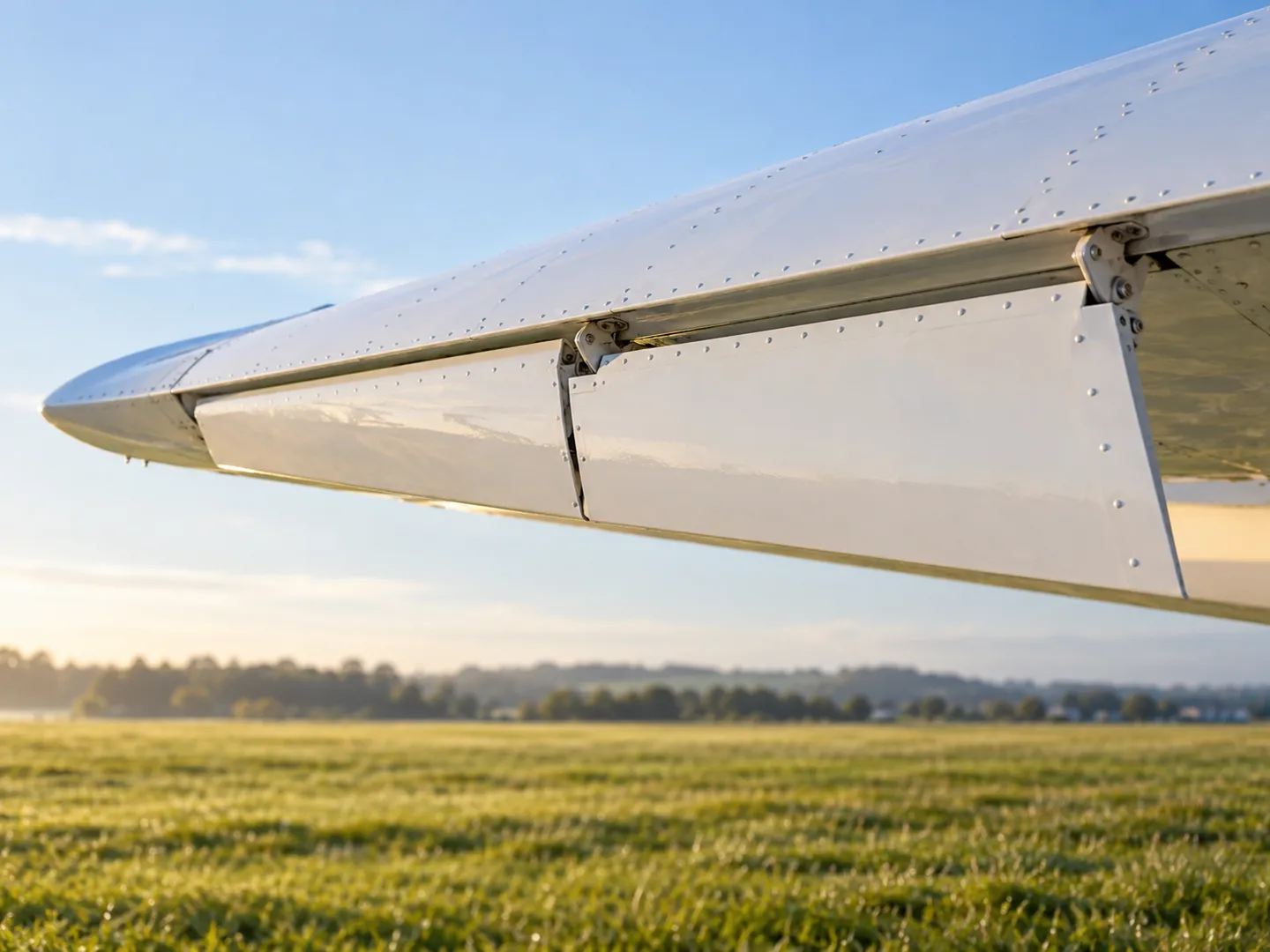
NASA describes weight as always directed towards the centre of the Earth, while lift acts at right angles to the direction of flight. They only oppose each other exactly in level flight.
Lift is an aerodynamic force made by the aircraft moving through the air. A wing sitting still in calm air produces none, which is why aircraft need speed down the runway.
When the angle of attack gets too high, the air flowing over the wing separates from its surface and lift drops away suddenly. NASA notes the exact angle is usually found in wind tunnel tests.
Radio uses set words for letters, spelt Alfa and Juliett in the FAA’s ICAO table, and set sounds for numbers: nine is spoken as “NIN-er”.
The UK CAA’s Skyway Code recommends checking the forecast and NOTAMs (notices about airspace and aerodromes) a few days ahead, and says they must be checked again immediately before the flight.
QUICK QUESTIONS
Short answers to the questions people ask most.
Four forces act on an aircraft: lift, weight, thrust and drag. The wing produces lift as it moves through the air, which opposes weight, while thrust from the engine overcomes drag. When the forces are balanced, NASA explains, the aircraft cruises at a constant velocity.
It is the angle between the wing’s chord line, an imaginary line from its front edge to its back edge, and the direction the aircraft is moving through the air. NASA notes that lift rises almost in step with it at small angles, within about 10 degrees.
In aviation a stall has nothing to do with the engine. If the angle of attack becomes too large, the airflow separates from the top of the wing and the wing abruptly loses lift. NASA says the exact angle varies and is usually found by wind tunnel testing.
According to the FAA’s Airplane Flying Handbook, a headwind provides some airspeed before the aircraft even starts to roll. That lowers the ground speed needed to reach flying speed, which gives a shorter ground roll and lets aircraft use shorter runways.
Radio messages can be hard to hear, so aviation uses standard words for letters and numbers. In the FAA’s phraseology tables, nine is spoken as “NIN-er”, and letters use the ICAO words from Alfa and Bravo to X-ray, Yankee and Zulu.
Each figure on this page comes from the sources below.
A NAME THAT TAKES OFF
It is not open for bids or leasing right now. Browse the catalogue for names you can bid on or lease today.